


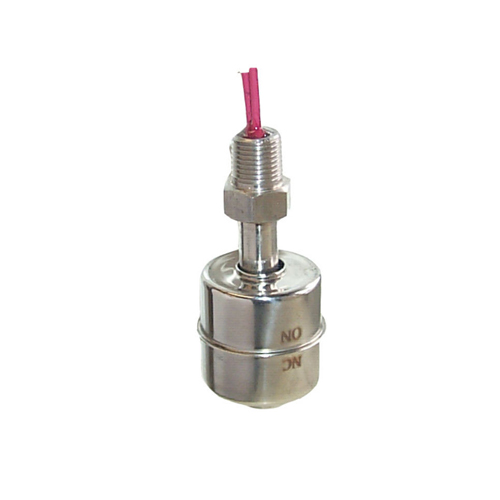
A boat float switch is a small device with a big responsibility. It senses rising water in your bilge and switches the bilge pump on before that water becomes a problem. When it works, you barely notice it. However, when a boat float switch fails, the results can be severe, ranging from a flooded bilge to a completely sunken vessel.
Below, we explain how these switches fail, the warning signs to watch for, and why regular testing matters for every boat owner.
How a Boat Float Switch Works
The idea is simple. As water rises in the bilge, a float lifts and closes an electrical circuit. That circuit powers the bilge pump, and the pump then removes the water. Once the level drops, the float falls and the pump shuts off automatically.
Because the system runs on its own, many owners assume it will always be ready. Unfortunately, that assumption is exactly what leads to trouble.
Common Reasons a Boat Float Switch Fails
Several problems can cause a boat float switch to stop working. First, debris and oil in the bilge often clog the float and stop it from rising. As a result, the pump never turns on.
Second, corrosion attacks the electrical contacts and wiring. Salt water is especially harsh, and over time it eats away at the connections. In addition, cheap or aging switches simply wear out, and their moving parts begin to stick.
Finally, wiring faults are common. A loose ground, a blown fuse, or a chafed wire can cut power to the switch without any obvious sign. Therefore, the switch may look perfectly fine while doing nothing at all.
Warning Signs of a Failing Switch
A few clues can tell you that a boat float switch is failing. For example, you might find water sitting in the bilge that should have drained already. You may also hear the pump running constantly, which suggests the switch is stuck in the on position.
On the other hand, if the pump never runs even when water is present, the switch is likely stuck open or has lost power. Either way, the problem needs attention right away.
Why a Working Boat Float Switch Matters
A reliable boat float switch is your first line of defense against flooding. Rain, a leaking seal, a failed hose, or a dripping stuffing box can all let water in while the boat sits unattended. In those moments, the switch and pump are all that stand between a dry bilge and a costly loss.
In addition, insurance claims often become complicated when a neglected bilge system is involved. For that reason, keeping the switch in good shape protects both your vessel and your wallet. You can review safe bilge practices through the BoatUS Foundation.
How to Test and Maintain the Switch
Testing is quick and easy. Simply lift the float by hand and confirm that the pump turns on. Then lower it and make sure the pump stops. Ideally, you should do this before every trip and at least once a month during the off-season.
In addition, keep the bilge clean so debris cannot block the float. Inspect the wiring for corrosion, and replace any switch that feels sticky or looks worn. It is also wise to install a second, higher switch as a backup for extra protection. For a deeper look at how these components connect, see our marine electrical work.
Final Thoughts
A boat float switch is small, yet its job is critical. By understanding how it fails and testing it often, you can catch trouble early and avoid a flooded or sunken boat. In short, a few minutes of maintenance today can save you thousands of dollars tomorrow.